
Christie’s Blog
November 2024
The Life Cycle of A Leaf
Consider Using One Layer of Leaves for your Mulch
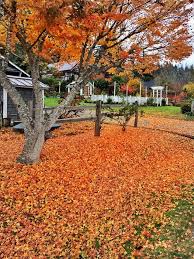
I thought while we are admiring the fall colors of leaves and at the same time thinking about mulching our garden beds, it would be beneficial to understand the life cycle of a leaf.
Leaves on a tree are the reason we can breathe oxygen and rest in a cool spot in the heat of summer. Trees make adjustments depending on their climate and location. Evergreens such as pine and fir, like cooler temperatures and keep their leaves all year. We are discussing deciduous trees that lose their leaves for part of the year. These kinds of trees are found in milder temperates like the eastern US and western Europe.
The Life Cycle of A Leaf

Spring

By springtime baby leaves have been inside leaf buds for months.
As daylight increases and temperatures get warmer. Waterproof scales which have developed around the buds in winter, fall off .
Tiny leaves and flowers swell.
As leaves get bigger a red pigment is evident which helps protect the leaves from too much radiation and from getting damaged . This pigment in the leaf is what later causes the autumn leaf color.
Chlorophyll which makes leaves green is formed in the Spring and helps the plant absorb energy.
This process of leaves getting green causes photosynthesis. Photosynthesis produces sugar which feeds and nourish the tree. It also creates oxygen.
Leaves are full size by the end of spring.
Summer

Leaves are green. More leaves are created to soak up sun and produce more food.
As trees are exposed to the sun they start preparing for winter. After the summer solstice on June 21st, trees stop producing as much food as they have in the spring. Trees start to absorb nitrogen. Absorbing nitrogen protects its cells from freezing in its woody trunk and branches.
Buds for the following year start forming in the summer. If drought and extreme heat in summers occur, leaves shrivel and die on some trees. With less food, trees might stop growing altogether to conserve energy.
Autumn

The primary cause for bright red, yellow and orange leaf color is the pigment in the leaf and reduced sunlight. As sunlight decreases the leaves make less food. The tree gathers nutrients to make it through to spring.
Under less sunlight the tree produces sugars that gets trapped in the leaf. The tree seals off from harsh outdoor elements and stops giving energy to leaves. Leaves die and fall off.
Winter
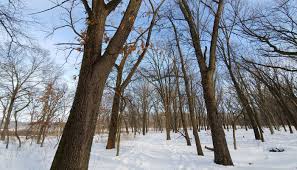
For deciduous trees winter is the time to rest. It’s like a bear hibernating. The tree has stored nutrients inside the tree. The bear stores nutrients in its body. If leaves stay on too long in the season or the bear stays outside in the winter cold, the leaves and bear lose their nutrients and their ‘body’ is compromised.
As leaves fall to the ground they become ‘leaf litter’. They…
- decompose and organically feed the dirt.
- help conserve water by helping retain moisture.
- insulate plants from the cold and protect them from weeds.
- reduce erosion by having something holding bare dirt.
- are biodegradable and breakdown bacteria and other organisms.
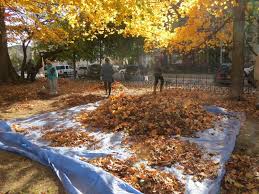

Mulch just doesn’t have the same oomph and can actually damage your garden over years. I have seen mulch stacked high up the trunk. This suffocates plant roots and eventually kills the tree. Mulch does not breakdown like leaves do.
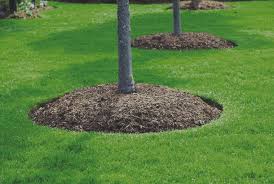
Some mulch is now made from ground up tires.

If the selling point of any mulch is that it ‘lasts a long time’ that is warning for you. Comparatively speaking you wouldn’t like duct tape strapped to your feet for years. Just like people, plants like air circulation around their roots. The labor associated with mulching and mulch itself is also becoming more expensive. Do not use raw mulch just cut up from your tree company. It may costs nothing but it robs the ground of nitrogen.
Keep an eye on the person who blows your leaves. An enthusiastic leaf blower often covers the entire plant with leaves. Use only one layer of leaves on your beds. If you can get the leaves chopped up by your lawn mower or a leave vac, that is excellent.
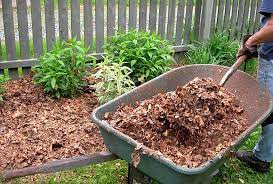
In becoming more organically oriented, you may have to release your love and the look of a perfect, evenly laid, rich colored mulch on your garden beds. Before you get bummed out, remember your garden is loving it and all those plants you spent tons of money on are eating it up!

Christie lives in Manakin Sabot , Virginia where she manages a 3 acre garden. Her blogs are written from her 35 years as a personal and professional gardener.
Leave A Comment